For Fuller, Natural Lips
Lip Filler
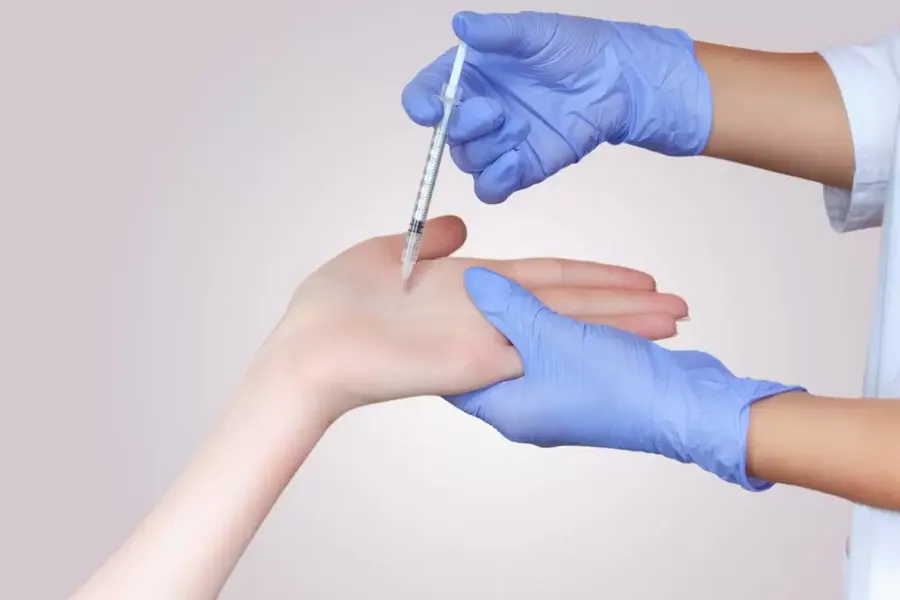
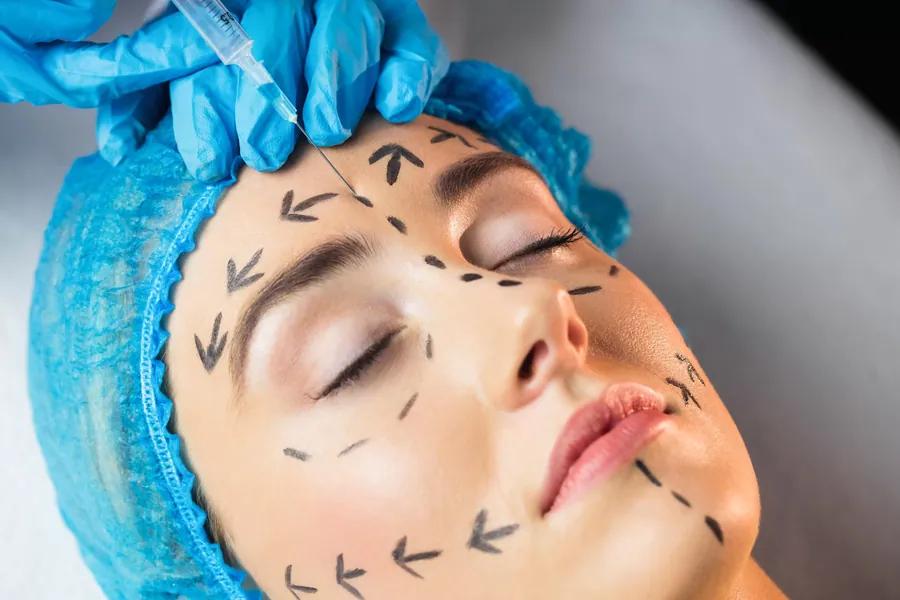
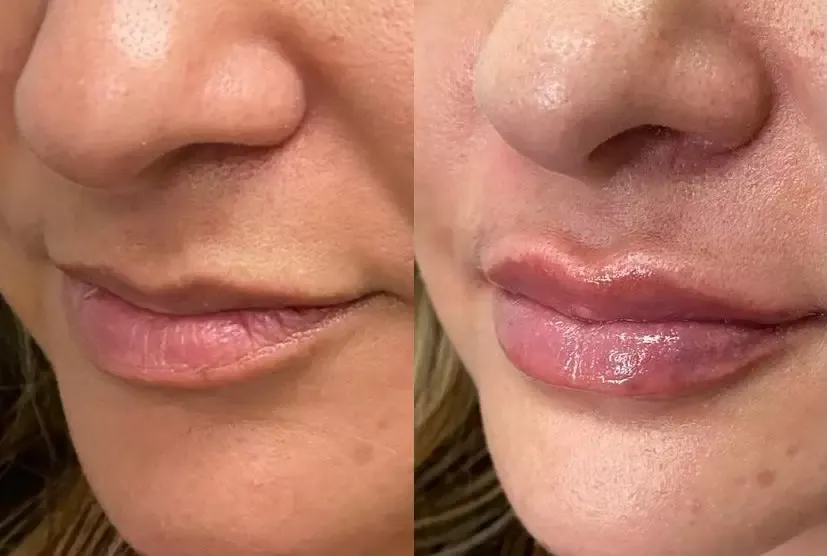
Hyaluronic acid lip filler designed around your face shape, adding volume and symmetry and helping restore fullness lost with age.
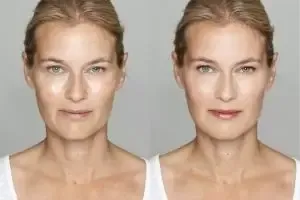

Shedding the worn outer layer leaves skin brighter and more radiant.
Helps reduce sun, age, hormonal and pregnancy-related pigmentation.
Helps reduce the appearance of acne and acne scarring.
Supports renewal of collagen, elastin and other supportive tissue.
The aim of a peel is to remove the worn, damaged outer layer of skin that has lost its freshness and radiance, and to improve the quality of supportive tissue such as collagen and elastin. Afterwards, the skin looks fresher, clearer, livelier and more radiant.
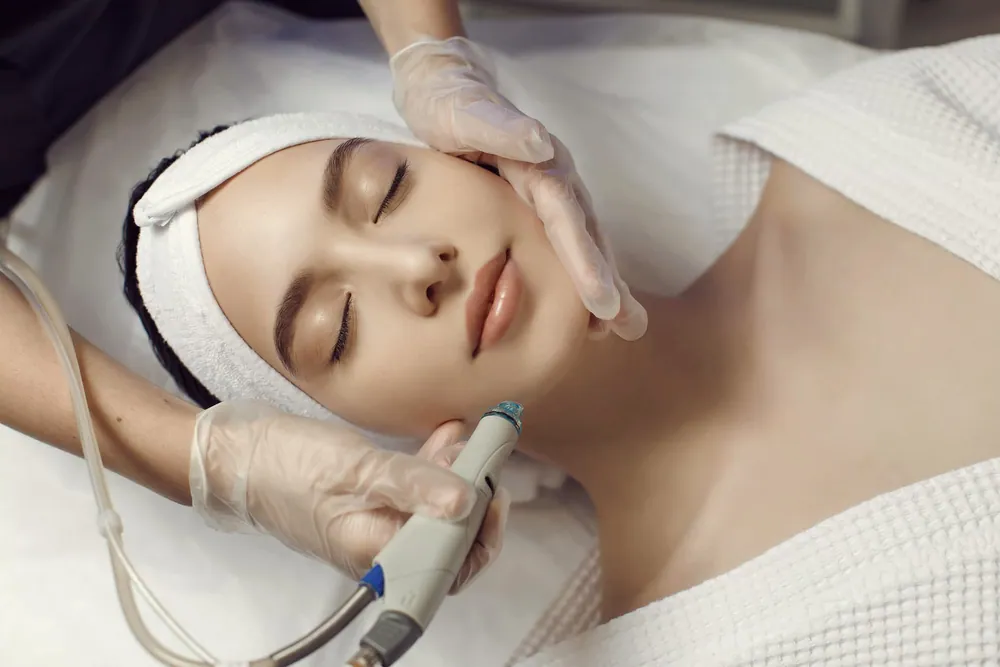
A peel chosen for your skin starts a controlled renewal process at the desired depth. After peeling, the skin begins to repair and rebuild; as supportive tissue increases, it looks firmer, plumper and younger. Peels can be carried out using different methods, including chemical peels, laser peels, carbon peels, jet peels and microdermabrasion.
Chemical peels may use alpha hydroxy acids (AHAs), also known as fruit acids, as well as beta hydroxy acids (BHAs), pyruvic acid, retinoic acid, azelaic acid, Jessner's solution, kojic acid and, for deeper treatments, TCA, either alone or in combination. Each has different purposes, strengths and selection criteria, and the right choice is made after a skin assessment.
Peels are most often applied to the face, neck, décolletage and backs of the hands, and can be used on other areas too. Intervals depend on depth: 1–2 weeks for very superficial and superficial peels, 1–2 months for medium peels and 2–6 months for deep peels. The number of sessions ranges from 1 to 8–10, depending on the person.
With superficial peels you will usually only feel mild stinging and warmth, which fades within 15–30 minutes; no anaesthetic is needed, as cool air or cooling gels are enough. Redness and mild swelling may follow and usually settle after 48 hours. Depending on depth, peeling is complete within 1–2 weeks and any light pinkness fades within 1–2 months. Surface changes appear early, while deeper effects become visible over 1–3 months.

Your skin type and concerns are reviewed to choose the right peeling agent and depth.
The skin is cleansed and prepared for treatment.
The selected acid or combination is applied to the skin in a controlled way.
The peel is completed and the skin soothed with cool air or cooling gels.
Peeling and renewal are monitored and your next session is planned.